
彭烁
A Guide to Essential Oil Types and Concentrations for Aromatherapy Diffusers
Aromatherapy diffusers are a wonderful way to introduce essential oils into your environment, filling your space with pleasant scents that can have therapeutic benefits. However, not all essential oils are created equal, and understanding the types and concentrations is critical for safe and effective use. This article will explore the different types of essential oils, the correct dosages for use in diffusers, and the potential risks of improper usage.
There are several different types of essential oils that vary in terms of their purity, concentration, and how they interact with diffusers. The three main categories are pure essential oils, water-soluble essential oils, and diluted essential oils. Understanding these differences is key to selecting the right product for your diffuser.
Pure essential oils are extracted directly from plants and contain no additives, preservatives, or fillers. These oils are highly concentrated, making them very potent. As a result, they deliver the strongest therapeutic effects, such as relaxation, pain relief, or mental clarity.
While pure essential oils are powerful, they should be used with caution. Only a few drops are typically needed in a diffuser to achieve the desired effect. Adding too much can result in overpowering scents that may cause headaches, nausea, or skin irritation from airborne particles.
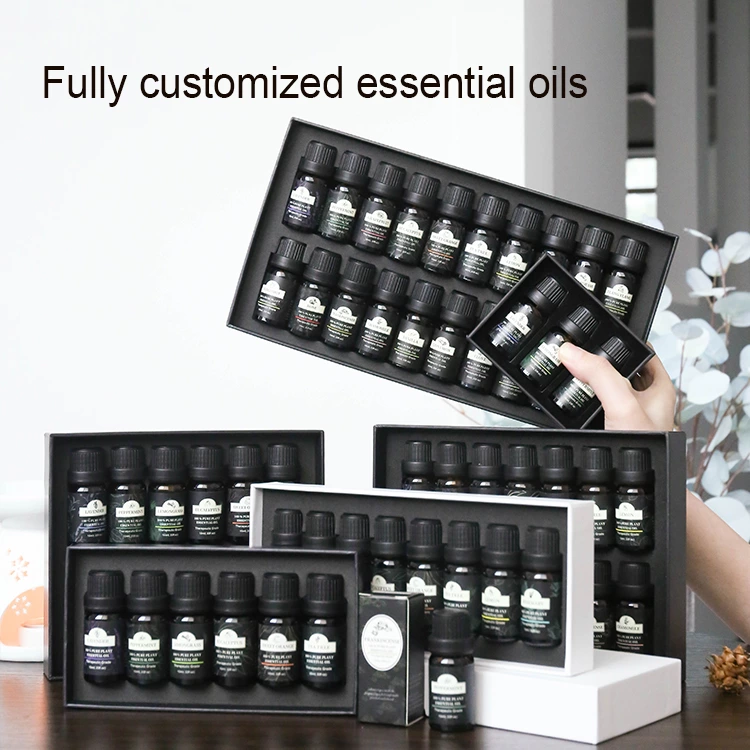
Water-soluble essential oils are formulated to dissolve in water. These are typically a combination of essential oil extracts and emulsifiers that allow them to mix evenly with water. While they still carry the scent and some therapeutic properties of pure essential oils, they tend to be less potent due to dilution.
These oils are popular for everyday use in diffusers because they’re less likely to overwhelm your senses, and there’s a lower risk of respiratory irritation. However, their therapeutic benefits may not be as strong compared to pure essential oils.
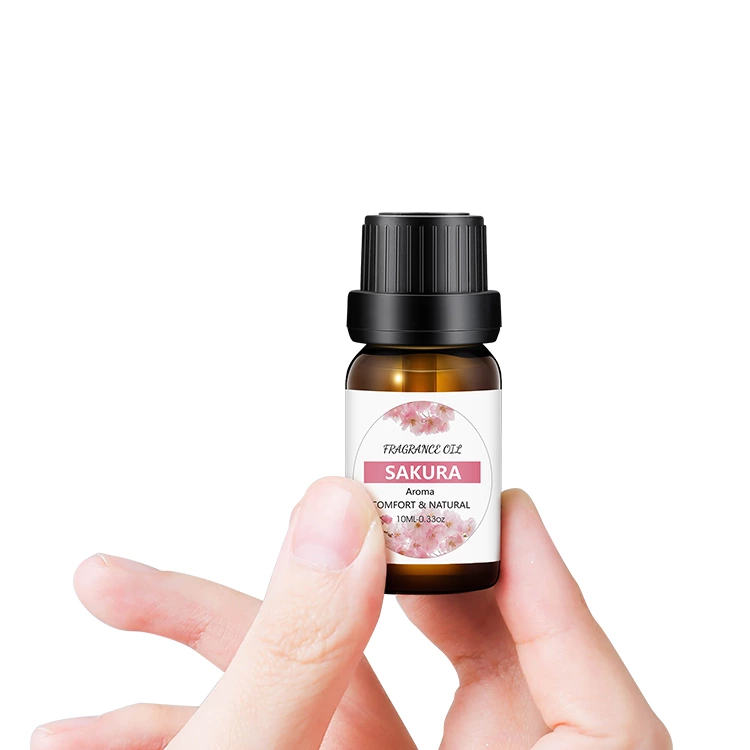
Diluted essential oils are mixed with carrier oils like coconut or jojoba oil. These blends are designed for direct skin application or for use in diffusers where a milder scent is needed. The concentration of essential oil in the mixture is lower, reducing the risk of irritation or overexposure.
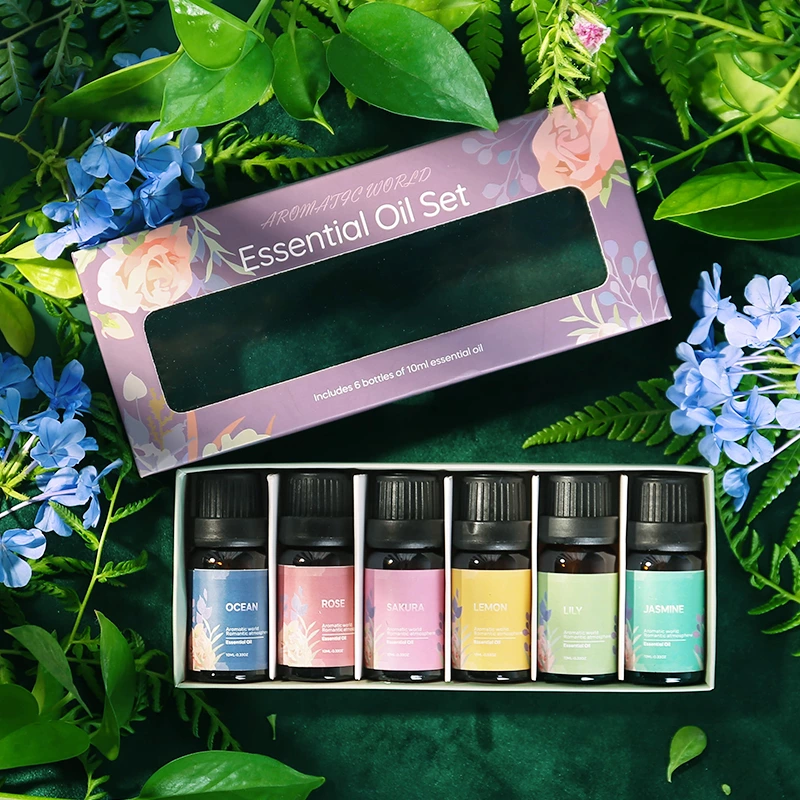
Blended oils are a great choice if you want a more controlled, mellow aroma. However, because they’re mixed with carrier oils, they can sometimes leave residue in diffusers, so proper cleaning is essential to avoid buildup.
Whether you’re using pure essential oils, water-soluble oils, or diluted oils, getting the dosage right is critical for both safety and effectiveness. Using too much or too little oil can have unintended consequences. Here’s a breakdown of what to consider when determining the right dosage for your diffuser.
Diffuser Size: The water capacity of your diffuser plays a large role in determining how much essential oil you should use.
Room Size: The size of the room where you’ll be diffusing essential oils also affects the amount of oil you should use. In larger spaces, you may need to increase the number of drops to ensure the scent fills the room. Conversely, in smaller or enclosed spaces, fewer drops are recommended.
Personal Sensitivity: Individual sensitivity to essential oils varies greatly. If you are sensitive to strong smells or have respiratory issues, start with fewer drops and increase only if necessary. Children, pets, and elderly individuals are often more sensitive to strong scents and should be taken into consideration.
Adding too much essential oil to your diffuser can lead to a variety of problems, both for your diffuser and for your health. Here are some of the risks associated with overuse:
Health Risks:
Damage to Diffusers:
While overuse can be harmful, using too little essential oil may result in a lackluster aromatherapy experience. If you don’t add enough oil to your diffuser, the scent may be too faint to notice, and the therapeutic benefits could be minimal. In this case, you won’t be utilizing the full potential of your essential oils, making the session less effective.
Use Pure Essential Oils Sparingly: Because pure essential oils are highly concentrated, you only need a few drops for a full effect. Using more than the recommended amount won’t enhance the benefits, but it will increase the likelihood of negative side effects.
Consider Water-Soluble Oils for Frequent Use: If you plan on running your diffuser for extended periods or multiple times a day, water-soluble essential oils may be the best choice. They are gentler and less likely to cause respiratory or skin irritation.
Stick to Manufacturer Recommendations: Always follow the diffuser’s instruction manual when it comes to adding essential oils. If the manufacturer recommends using a specific amount or type of oil, stick to those guidelines to avoid damage to the unit.
Regular Cleaning: Regularly clean your diffuser to prevent the buildup of residue from essential oils, particularly if you’re using diluted oils that contain carrier oils. This helps keep your diffuser functioning well and prevents any unwanted odors.
Avoid Using Too Many Essential Oils at Once: Mixing several different essential oils can result in an overwhelming or unpleasant aroma. Start with one or two oils, and avoid adding more than four different types at a time.
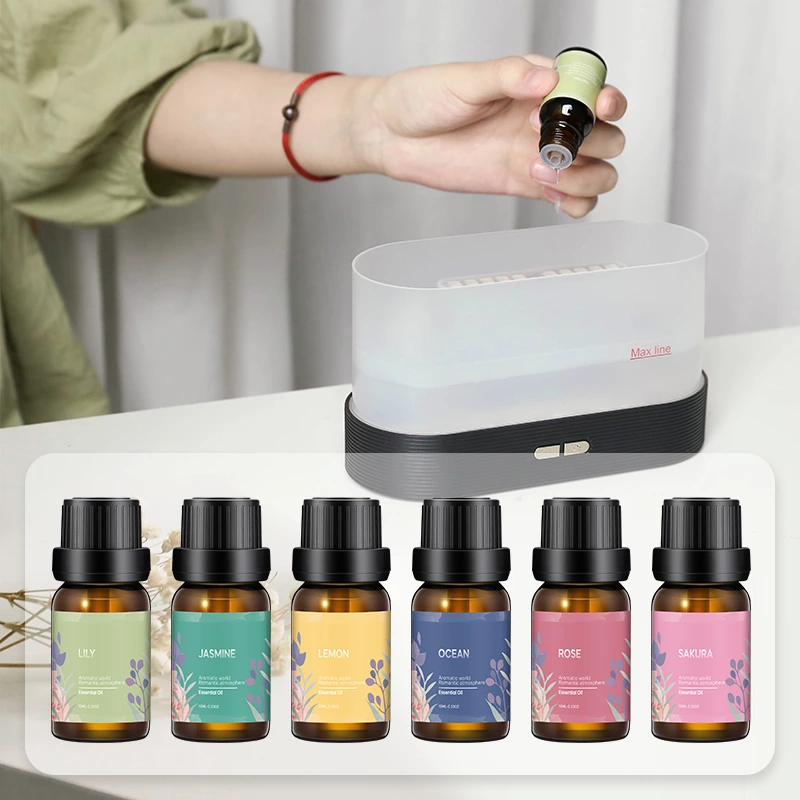
Understanding the types of essential oils available and how to properly use them in your diffuser is crucial for creating a safe and enjoyable aromatherapy experience. Whether you opt for pure essential oils, water-soluble oils, or diluted blends, always be mindful of the dosage and potential risks of improper use. By following the right guidelines, you can enhance your environment with the natural, therapeutic power of essential oils while avoiding any negative side effects.
Always start small, monitor how your body responds, and adjust as needed to create the perfect balance in your home or office space.
请告知我们您的产品详情或 OEM/ODM 需求——我们的团队将在一个工作日内回复,为您提供产品推荐及制造解决方案。
为您的业务选择合适的专家——我们将在一个工作日内回复。
彭烁

陈晓芸

周楚绵